
“Figure out what type of leader you are” with Coro in St. Louis | Alumni Panel Recap
For more than 50 years, the nonpartisan Coro Fellows Program in Public Affairs (housed at UMSL’s Community Innovation & Action Center since 2021) has worked to develop the next generation of civic leaders in the St. Louis region by immersing them in rigorous, experiential, community-based leadership training. Throughout their full-time, 9-month experience, Fellows are consistently challenged to be courageously curious in order to deepen their understanding of the many different people and systems across sectors that collaborate, advocate, and make decisions that influence the daily lives of people in the U.S. (and more specifically, in the St. Louis area and Missouri).
We’re currently recruiting for the 2026-27 cohort!* Last month, three Coro St. Louis alumni joined us for a virtual panel to support prospective applicants in learning about Coro and the impact the program has had on our alumni thus far:
Colin Dale (‘18), Account Supervisor, AHC Consulting
Brinda Gupta (‘17), Associate Director, Guidehouse
Livi Logan-Wood (‘17), Senior Consultant, World Wide Technology
Read on for excerpts about their experiences as Coro Fellows and where it’s taken them since. Responses have been edited for clarity and concision.
*Applications for the 2026-2027 cohort of Coro Fellows will be accepted until January 11, 2026.
What factors led you to pursue the Coro Fellows Program in St. Louis?
COLIN: I moved to St. Louis after college and did a post-grad program called Teach for America; so I had taught grade school in St. Louis for two years and I didn’t know what I wanted to do next, and wasn’t sure if I wanted to go to grad school. I heard about Coro and it was one of those things that as soon as I heard about it, it stuck with me in the back of my mind. I had met a few people in St. Louis who were alumni of the program, and I was just really curious about it. I was really curious about gaining professional skills, like how to talk to people, as well as the sector model.
LIVI: I came into Coro straight after graduating from Saint Louis University (SLU). I’m originally from Cincinnati, Ohio, so St. Louis was a new city to me when I attended college. I studied social work and international studies for my undergrad, and similar to Colin, I was feeling like there were so many options post-grad, and I wasn’t sure which direction to take. I found out about it through SLU and the Career Center; the application process itself really attracted me, and I learned a lot about the program just by engaging with it throughout the year I was applying.
What kept me in St. Louis was the realization that while I had lived here for four years in undergrad, I did not feel like I had a full grasp on what was going on here from a citizen or an adult perspective. So when it came time to select a city, and where I wanted to be for Coro, it became clear that I had more time for St. Louis. I felt like I had more to contribute and also learn from this region.
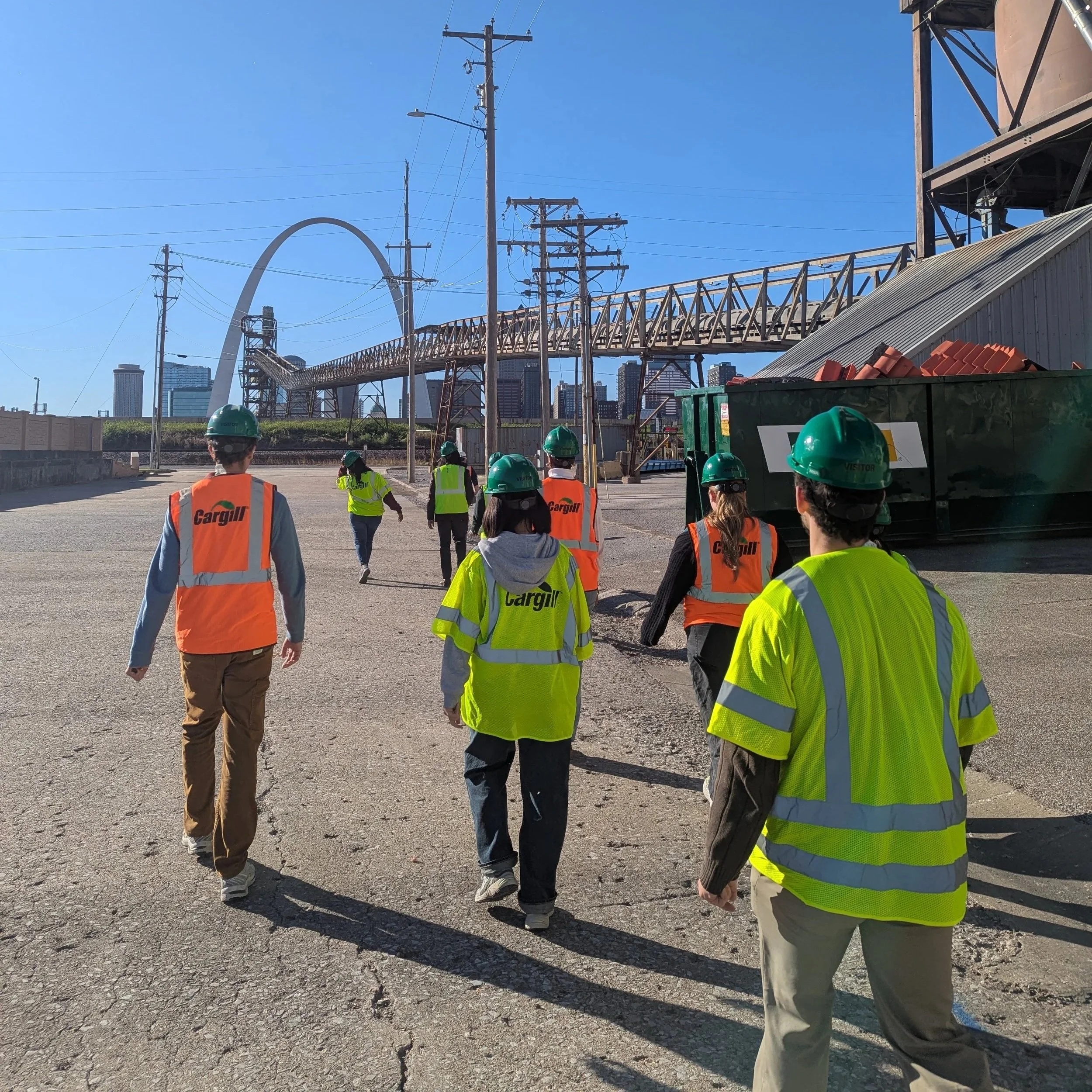
“[W]hen it came time to select a city, and where I wanted to be for Coro, it became clear that I had more time for St. Louis. I felt like I had more to contribute and also learn from this region.”
Livi Logan-Wood, ‘17
How did Coro challenge you to grow during your time as a Fellow?
BRINDA: I feel like Coro challenges you on so many levels. There’s the professional aspect, figuring out what types of projects you like. I think it challenged me professionally in the sense that I really had to reflect and figure out what I think my skill sets are and how they align with the world’s needs. Then also on a personal front, you are working not only on individual projects, but a lot of cohort work, so you are challenged in project management, group management, conflict resolution.
Regardless of what path you choose to take after Coro, I think personally you’re pushed to figure out what type of leader you are, what type of person you want to be known as within your cohort of Fellows. In the cohort, there’s some folks you might resonate with more, but then also you have an opportunity to figure out how you learn from folks that you might not ever have run into had it not been for Coro. It challenged me in so many different ways, and all the best reasons.
LIVI: Part of my motivation for participating in Coro was that I’d mainly heard that it was challenging. So it attracts people who are motivated to grow in the first place, and our cohort came from very different backgrounds. I was used to the sports team I played on in undergrad, where we all had a similar goal; and then I was used to social work classes, where we all had similar perspectives. So coming into Coro, it was a group of people who really wanted to personally and professionally grow and expand their horizons, but for different motivating factors and in very different ways.
The cohort dynamics, making decisions as a group, facilitating discussion, and being open-minded was something I didn’t completely expect to be as challenging and thought-provoking for myself and my own growth as it was. I’ve had several different jobs, I’ve gone to grad school since then, and I can trace almost every big workplace conflict I’ve had after Coro back to an example that I learned or tried to navigate or practiced navigating during the program.
I do think it accelerated my growth in a way that I can’t see in the workplace, from at least my own experience. You’re challenged to show up in six different settings, six different professional opportunities through your placements; so I felt motivated to prove my impact and value in learning and growth in a setting in a short amount of time. To build a network at that pace working with six different supervisors and having six different projects is something that I just didn’t have exposure to in my undergrad experience.
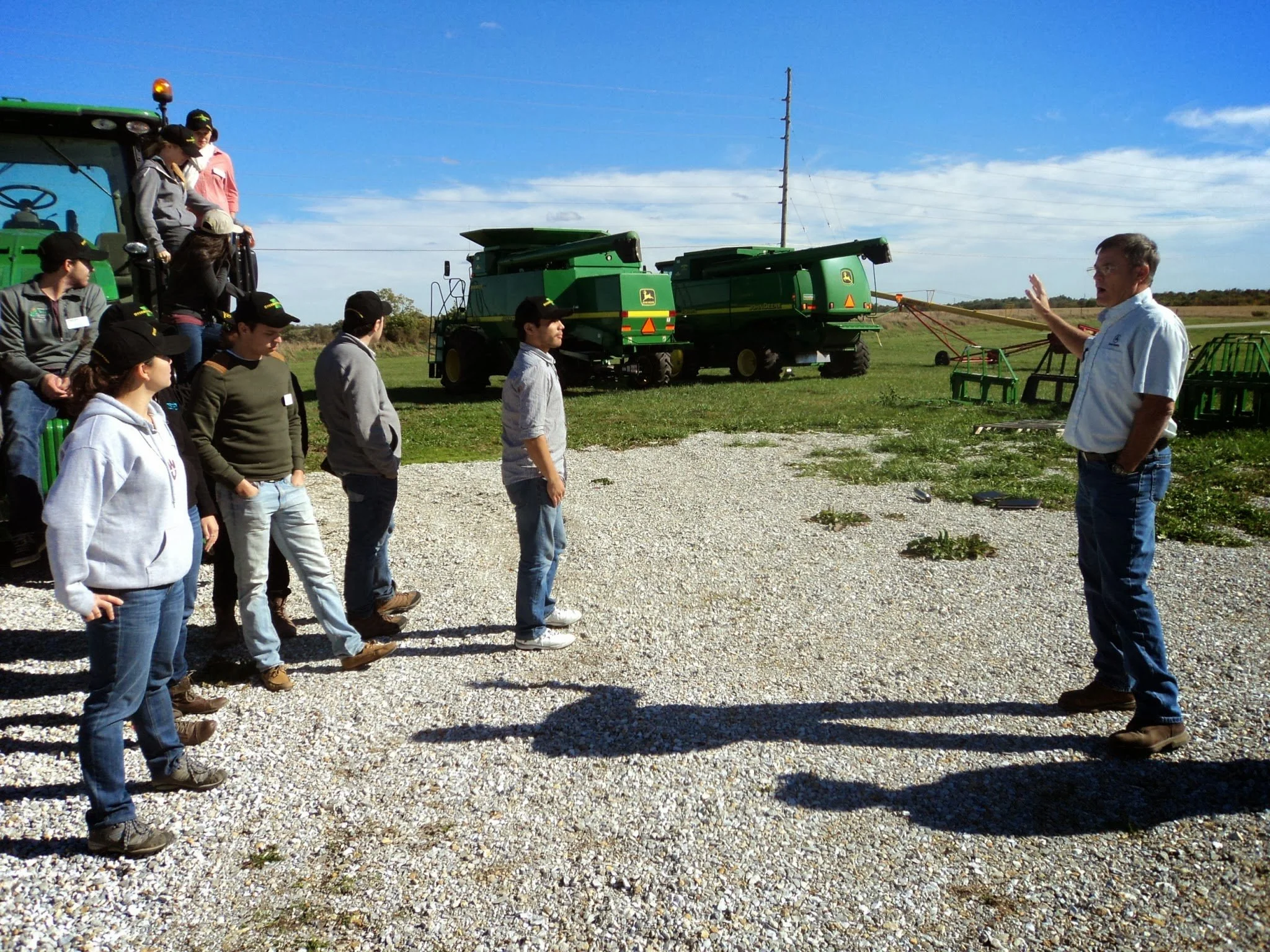
“[Y]ou have an opportunity to figure out how you learn from folks that you might not ever have run into had it not been for Coro. It challenged me in so many different ways, and all the best reasons.”
Brinda Gupta ‘17
How would you describe the value of the cohort experience?
COLIN: I think the cohort model is part of the secret sauce of Coro, if I compare it to other gap year fellowship-type opportunities. I love being part of a team - it’s really cool and we’re still in a pretty active group chat. It’s twelve super unique and diverse people who have one thing in common. It’s this really intense shared experience where we’re kind of like “battle buddies”. I think if you’re someone who’s willing to have a lot of peer-to-peer time and think that you thrive or could grow in that type of experience, Coro definitely is something I would strongly recommend, because I don’t think you’re going to get better peer-to-peer experience doing anything else.
BRINDA: I think what’s cool about the Coro cohort model is that it’s small, but at the same time it’s big enough where you still have very different perspectives in terms of how you lead - your personal background, your political affiliation; your perspective sort of evolves as you work together. A lot of projects that you do in Coro aren’t successful unless you’re a team. I remember our cohort came to a policy up front that we always try to achieve consensus. I think it really pushes you to find relatability with people you might have never crossed paths with. I can comfortably say that for folks in my cohort, I really don’t think I would have ever worked with someone or met with someone without the program, which is so awesome. I was genuinely grateful for the cohort experience.
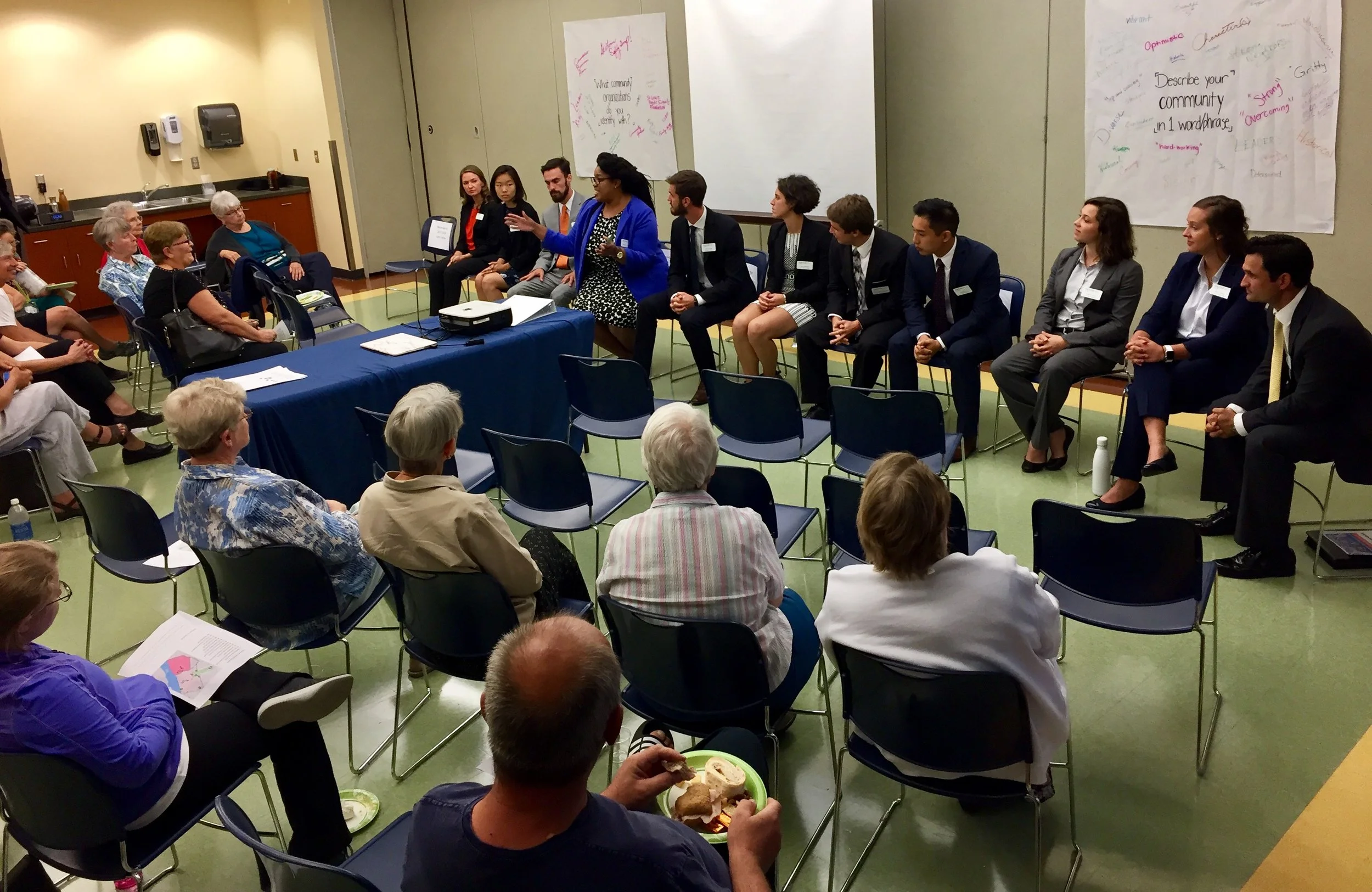
“Coro definitely is something I would strongly recommend, because I don’t think you’re going to get better peer-to-peer experience doing anything else.”
Colin Dale, ‘18
What influence has Coro had on your career path or professional goals?
LIVI: The impact on my professional goals and ability to execute them was profound. I felt like I could learn more from moving to Washington D.C. in my next step after Coro. This was fairly common for former alumni - the biggest alumni network outside of a city center for Coro is in D.C. When I moved there fresh out of Coro, I didn’t have a job, I connected with over 30 or 40 different alumni, which directed me right into the organization I worked for called the Partnership for Public Service - a nonpartisan nonprofit that focuses on policy related to government efficiency.
I was able to accomplish the goal of working in the federal public sector as a direct result of being a Coro alum. I lived there for four or five years, ended up working on the 2020 presidential transition, but felt drawn to come back to St. Louis. I returned here in 2021 to pursue my MBA and MSW at WashU, then stayed here to work for my next step in my career. I don’t know if I would have come back here without my Coro experience and network that was readily available once I returned. I don’t know if I would have left St. Louis without doing Coro, and getting the plants or the seeds in my mind that I can make that big leap that I have. The things I learned in Coro are what allowed me to make those big decisions, but at the same time, the network itself helped me along the way as an alum.
BRINDA: I think Coro really taught me to be comfortable in ambiguity. I remember for some placements we got minimal context; so knowing how to operate under that and operate in a sense that you have to deliver very strong work within 30 days or so has set me up so well. In my consulting role, nothing really fazes me, like if our project shifts dramatically or if there’s uncertainty with funding and priorities. I think Coro is the reason I’m able to think so critically and be successful in my job.
Featured Alumni
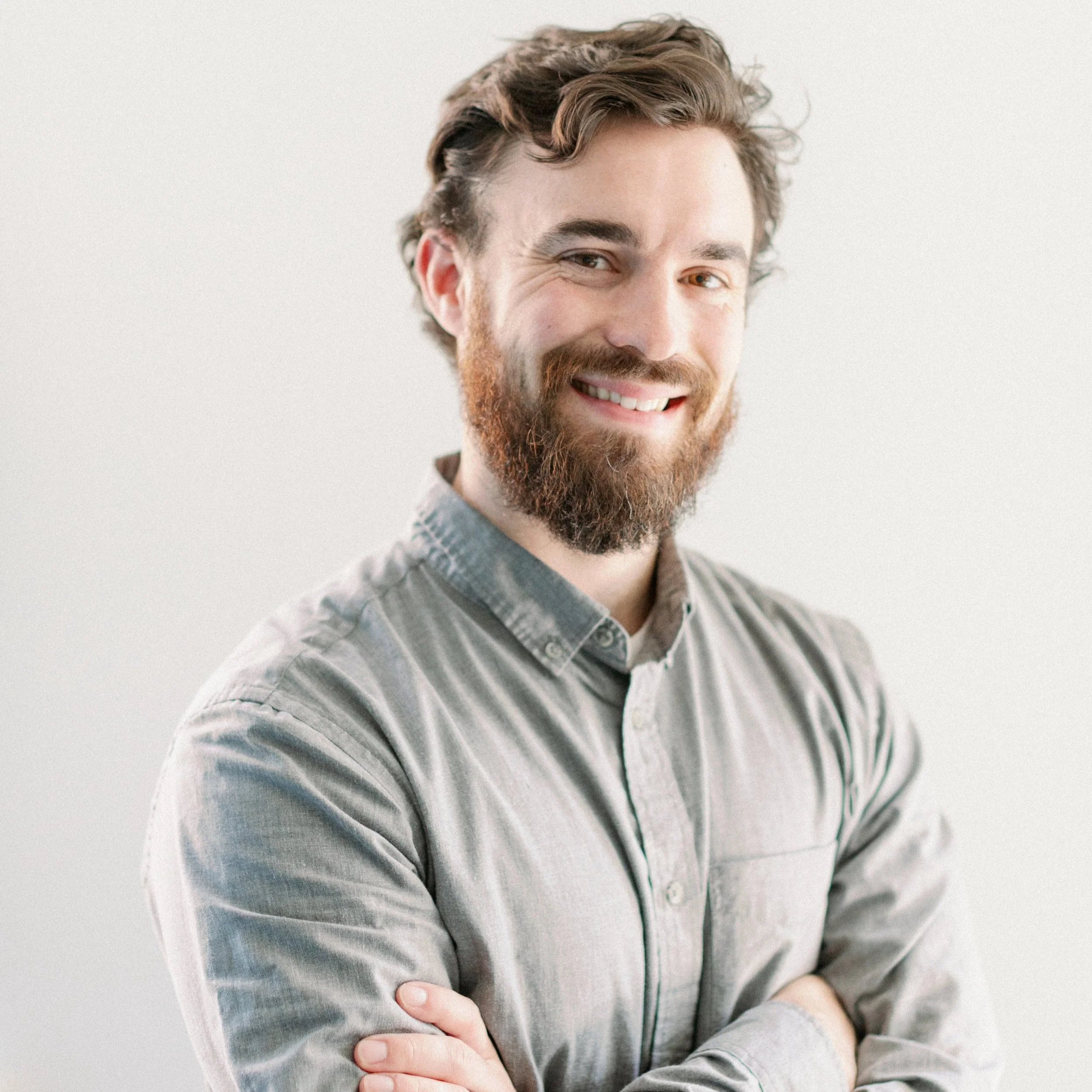
COLIN DALE is a consultant, director, and project manager with experience delivering community engagement projects, communications, and public relations for foundations, nonprofits, and local government agencies. Colin has a strong track record of effective written and verbal communication across organizations, lines of power, and political affiliations. Clients include Saint Louis University, Missouri Foundation for Health, St. Louis Community College, St. Louis Lambert International Airport, BJC Healthcare, and Places for People.
In 2020, Colin successfully rehomed the St. Louis Coro Fellows Program in Public Affairs at the University of Missouri - Saint Louis’ (UMSL’s) Community and Innovation Action Center in collaboration with the alumni community, Coro National Board, and UMSL staff. Colin was responsible for designing a $500,000 annual program budget plan, establishing recruitment pipelines yielding 50 applicants annually, recruiting 12 members to a community advisory board, and securing multiple academic partnerships.
Colin began his career as a Corps Member with Teach For America St. Louis. During his time in the classroom, Colin honed his leadership skills, empowering his students to achieve an average of 1.5 years of academic growth in ELA and math. Strong communication, strategic partnerships, and community engagement were central to his success as a teacher. In 2017, Colin made the difficult decision to leave the classroom. As a member of the 2017 - 2018 St. Louis Coro Fellows Program, Colin developed the skills and network to broaden his impact. From 2018 to 2020 Colin led recruitment campaigns for Teach For America at four universities. In this role, he leveraged Salesforce and Excel analytics to consistently rank in the top 15% of his peers. He received the only ‘Exemplary’ evaluation on brand oral and written communication amongst 50 peers. Colin directly managing a team of six employees to reach rigorous goals; ranking number one in production metrics across 97 teams nationwide.
Colin holds a master's degree in Education from the University of Missouri-St. Louis. He is a graduate of Creighton University, earning a B.S. in Healthcare Administration and Spanish. Colin is a proud City resident, he lives in the Lindenwood Park neighborhood with his wife and three children.
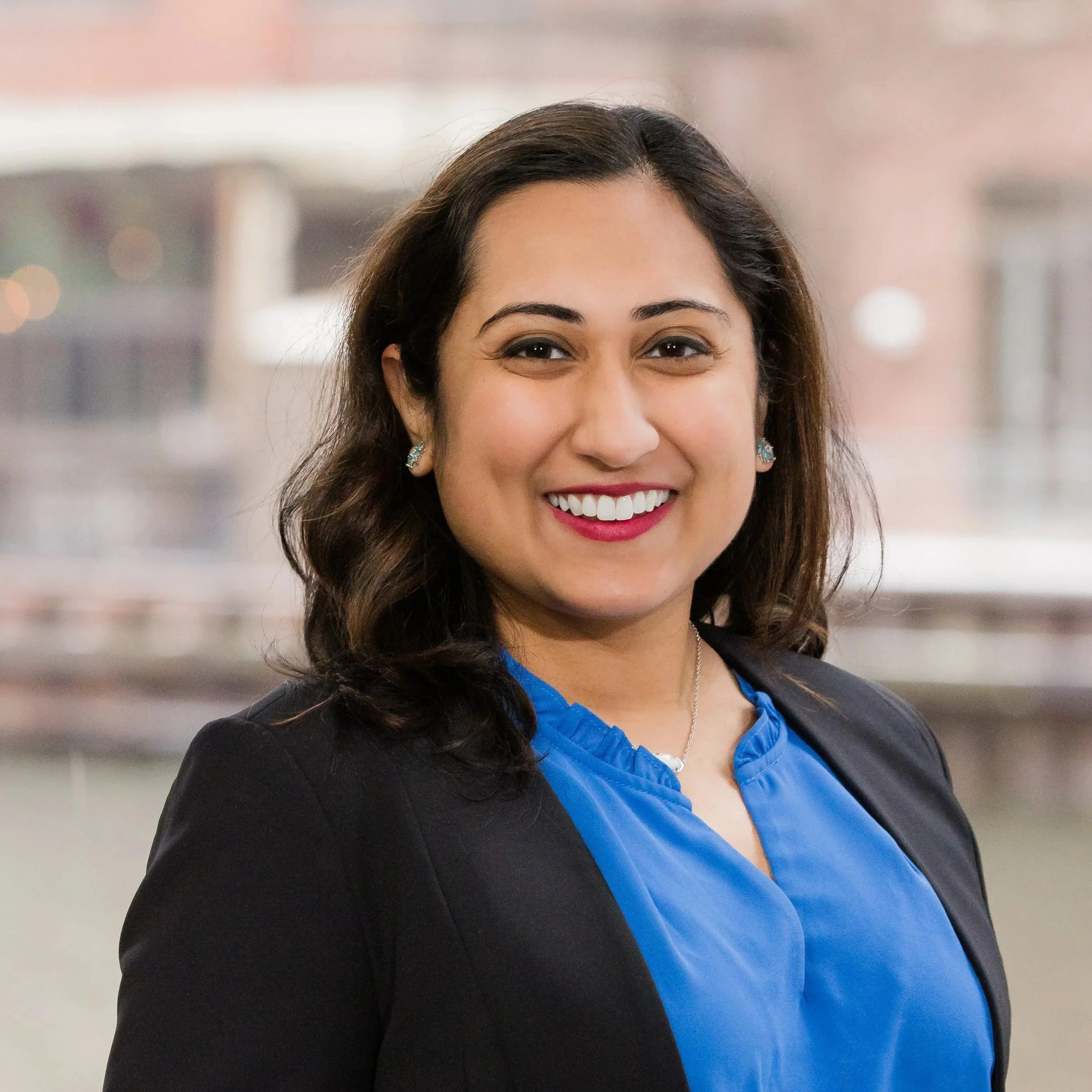
BRINDA GUPTA is an Associate Director at Guidehouse, bringing a multidisciplinary background in public health and social work to her work with state and local governments, healthcare providers, and payers. She specializes in designing, implementing, and evaluating strategies that improve clinical, quality, and financial outcomes by addressing social drivers of health and strengthening community-based service delivery systems.
Brinda’s professional and academic experience spans a range of high-impact social determinants of health interventions—including designing medically tailored meal programs for pregnant individuals, applying behavioral economics to improve social service program uptake, and quantifying the financial and health impacts of providing transportation and safe housing. Her portfolio reflects both depth of subject-matter expertise and a commitment to advancing equity and access for vulnerable populations.
As a certified Project Management Professional (PMP), Brinda also provides leadership in project governance, cross-sector coordination, and operational excellence. She has developed and delivered trainings on project planning, conflict resolution, and community engagement, and is recognized for her ability to guide diverse stakeholders toward actionable, sustainable solutions.
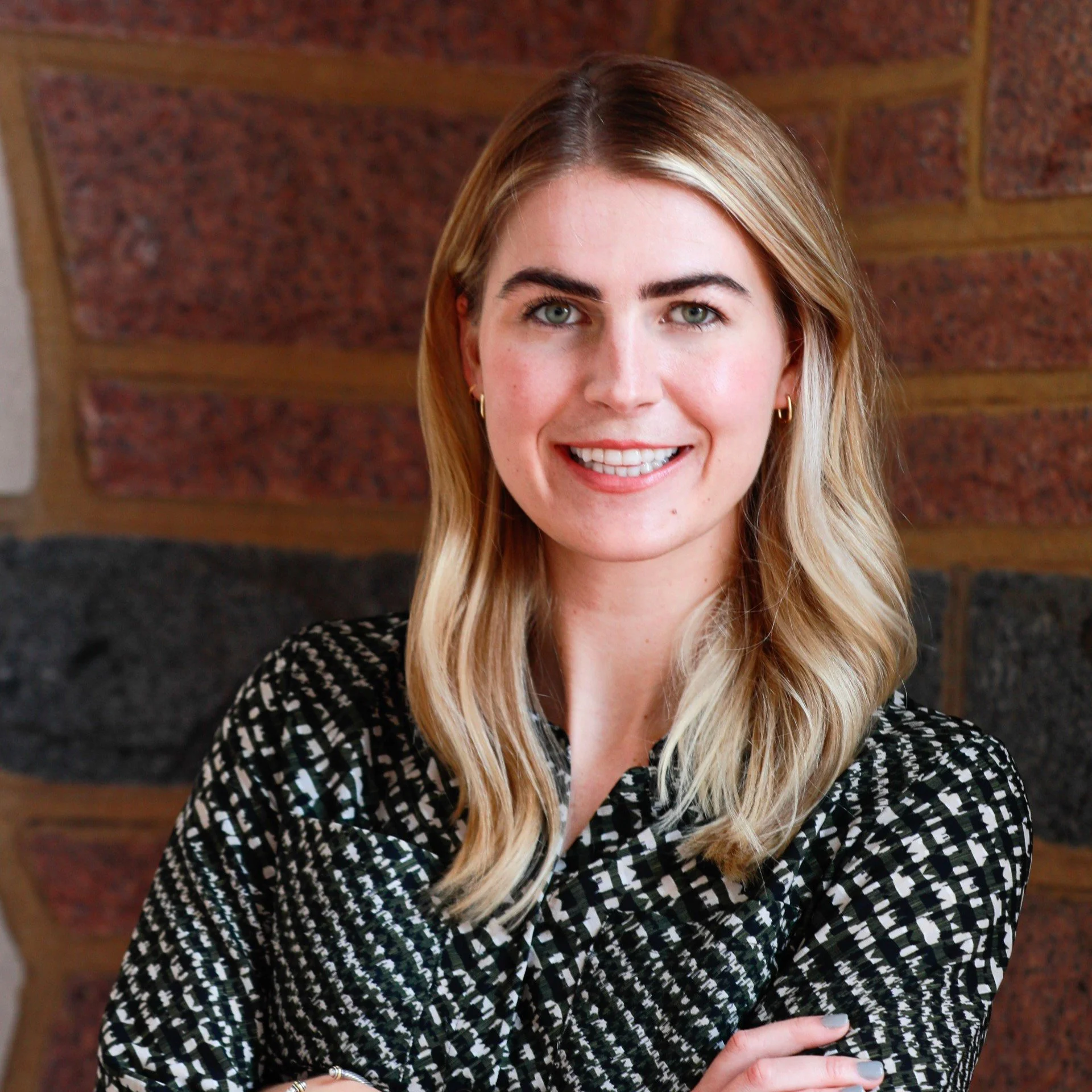
LIVI LOGAN-WOOD (she/her) is a Senior Consultant at World Wide Technology, where she partners with technology executives and their teams to tackle high-priority challenges ranging from cyber resiliency to business transformation. With a background in the public and nonprofit sectors, she brings a people-centered, outcomes-driven perspective to complex problems. She holds a bachelor’s degree in Social Work and International Studies from Saint Louis University, as well as dual master’s degrees in Business Administration and Social Work from Washington University in St. Louis.
After graduating from SLU, Livi stayed in St. Louis to complete the Coro Fellows Program in Public Affairs (2016–2017). That experience sparked her move to Washington, D.C., where she joined the Partnership for Public Service to advance federal workforce development, strengthen government collaboration, and support the 2020 presidential transition. Following her MBA/MSW, she shifted into consulting and now calls St. Louis home, where she enjoys life in the Shaw neighborhood, fostering rescue cats, exploring the city’s food and drink scene, and cheering on the SLU soccer program as an alumna.